Responding To Wildlife Poisoning Before It Becomes A Crisis.
Responding To Wildlife Poisoning Before It Becomes A Crisis.
Learning that survives crisis
Learning that survives crisis
In December 2025, seven lions were poisoned in Queen Elizabeth National Park (QENP) after feeding on a poisoned cow. The incident was not reported to the Uganda Wildlife Authority (UWA) operations room, leaving UWA unaware of the danger. By morning, seven lions were dead.
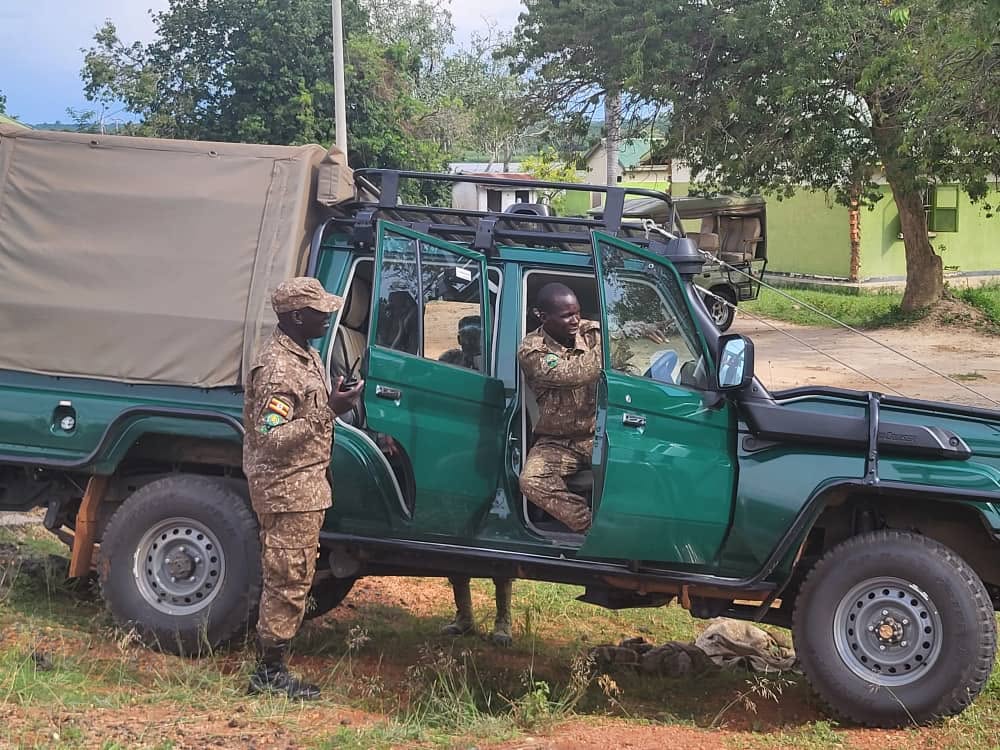
This tragedy came despite significant investment by UWA and the Uganda Conservation Foundation (UCF) in preparedness. UWA personnel have completed three rounds of wildlife-poisoning response training led by expert André Botha. Standard operating procedures are in place, and a fully functional Quick Reaction Force (QRF) is coordinated through the operations room. But these systems can save lives only when everyone follows them.
Jimmy Kisembo, lion expert in QENP, noted that for three years, systems operated through the long-term UWA and UCF partnership, supported by satellite collars and dedicated field teams, had helped ensure that no lion was killed in QENP, apart from one lost in a vehicle collision. This poisoning should have been prevented.

Why the Quick Reaction Force matters
The bottom line is that a QRF team protects people, wildlife and property.
Had the team been activated, it could have:
Secured and taken control of the scene
Prevented people and wildlife from approaching the poisoned carcass
Preserved evidence
Ensured the carcass was removed and managed in accordance with UWA procedures
These poisons are lethal not only to wildlife but also to people. Anyone entering or handling a contaminated scene without the appropriate training and protective equipment may be placing their life at extreme risk.
Strengthening the system
Support from the Bureau of International Narcotics and Law Enforcement Affairs (INL) is helping UWA strengthen these procedures and sustain the training, mentoring, vehicles, communications and operational systems needed for a rapid response.
This work is part of the highly productive UWA–UCF partnership, which spans more than 25 years. In the past three months alone, UCF has delivered 24 courses to more than 600 rangers. Crucially, UCF continues to provide mentoring and long-term support, helping embed new skills and capabilities into everyday operations.
Rapid reporting saves wildlife. If you see or suspect wildlife poisoning, report it immediately.
