
Kibale Forest National Park
Kibale Forest National Park
About Kibale
Rising from the floor of the Albertine Rift beneath the foothills of the Rwenzori Mountains, Kibale Forest National Park (KFNP) protects one of Africa's finest tropical rainforests and forms the forested heart of the greater Queen Elizabeth Conservation Area (QECA).
Together, KFNP and the QECA create one of East Africa's most remarkable conservation landscapes, where ancient rainforest, crater lakes, wetlands, savannahs and the iconic Kazinga Channel combine to support an extraordinary diversity of wildlife and habitats.
Covering almost 800 km², Kibale protects the largest remaining block of moist evergreen forest in East Africa and is internationally recognised as the Primate Capital of the World.
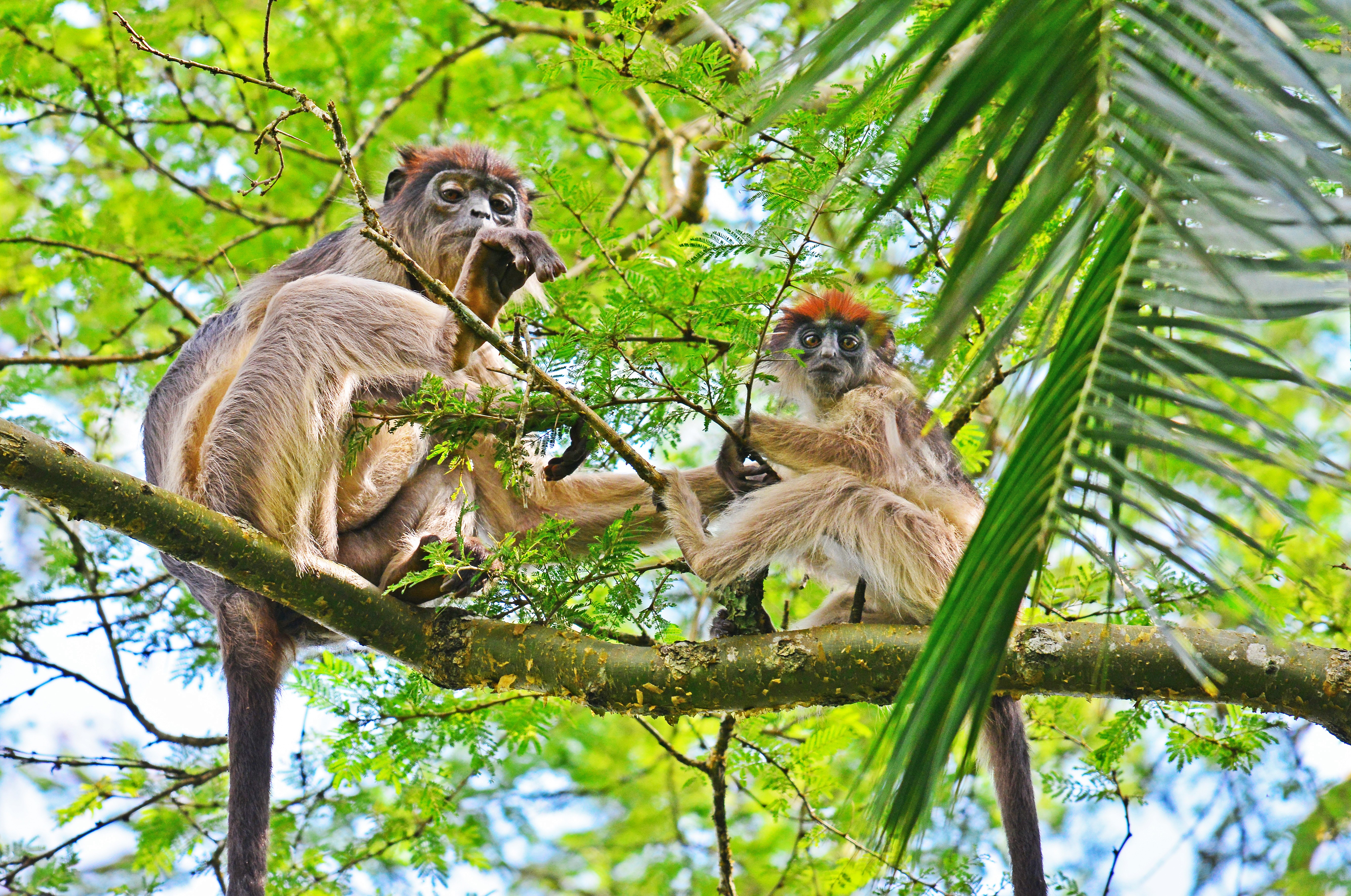
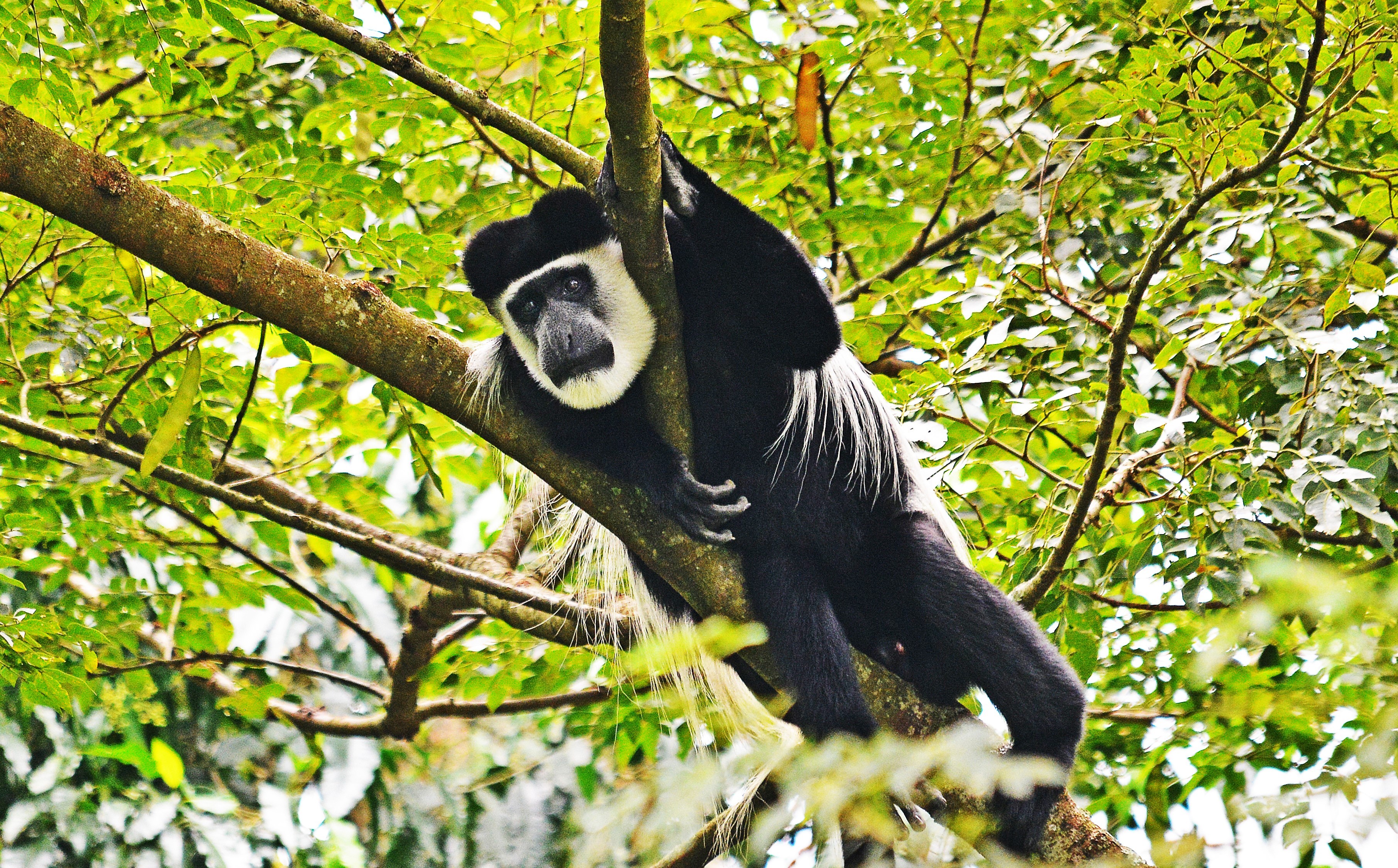
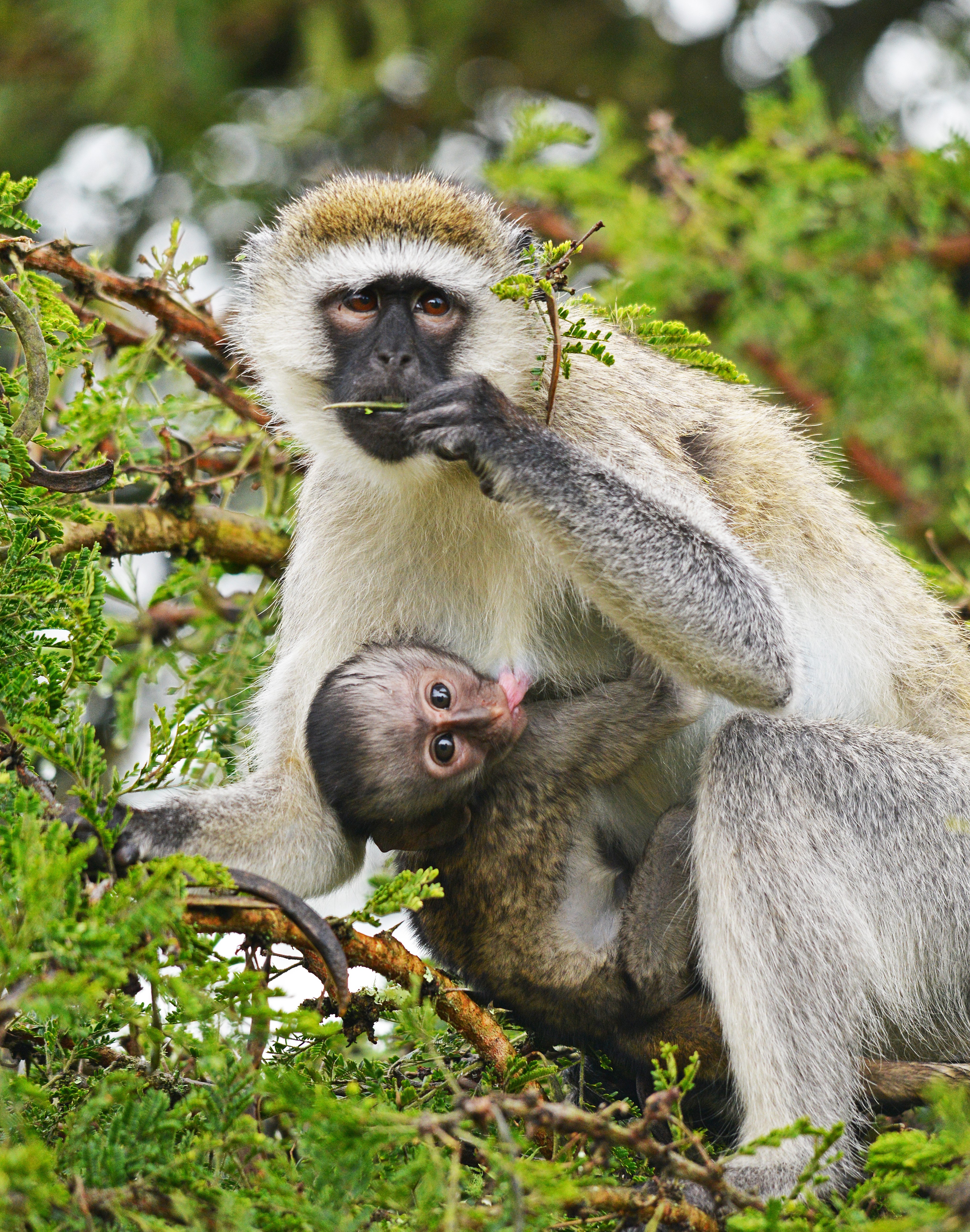
The park supports 13 species of primates, including one of Africa's largest populations of eastern chimpanzees, together with red colobus, black-and-white colobus, L'Hoest's monkey, blue monkey, red-tailed monkey, grey-cheeked mangabey, olive baboon and vervet monkey.
Rising from the floor of the Albertine Rift beneath the foothills of the Rwenzori Mountains, Kibale Forest National Park (KFNP) protects one of Africa's finest tropical rainforests and forms the forested heart of the greater Queen Elizabeth Conservation Area (QECA).
Together, KFNP and the QECA create one of East Africa's most remarkable conservation landscapes, where ancient rainforest, crater lakes, wetlands, savannahs and the iconic Kazinga Channel combine to support an extraordinary diversity of wildlife and habitats.
Covering almost 800 km², Kibale protects the largest remaining block of moist evergreen forest in East Africa and is internationally recognised as the Primate Capital of the World.
The park supports 13 species of primates, including one of Africa's largest populations of eastern chimpanzees, together with red colobus, black-and-white colobus, L'Hoest's monkey, blue monkey, red-tailed monkey, grey-cheeked mangabey, olive baboon and vervet monkey.

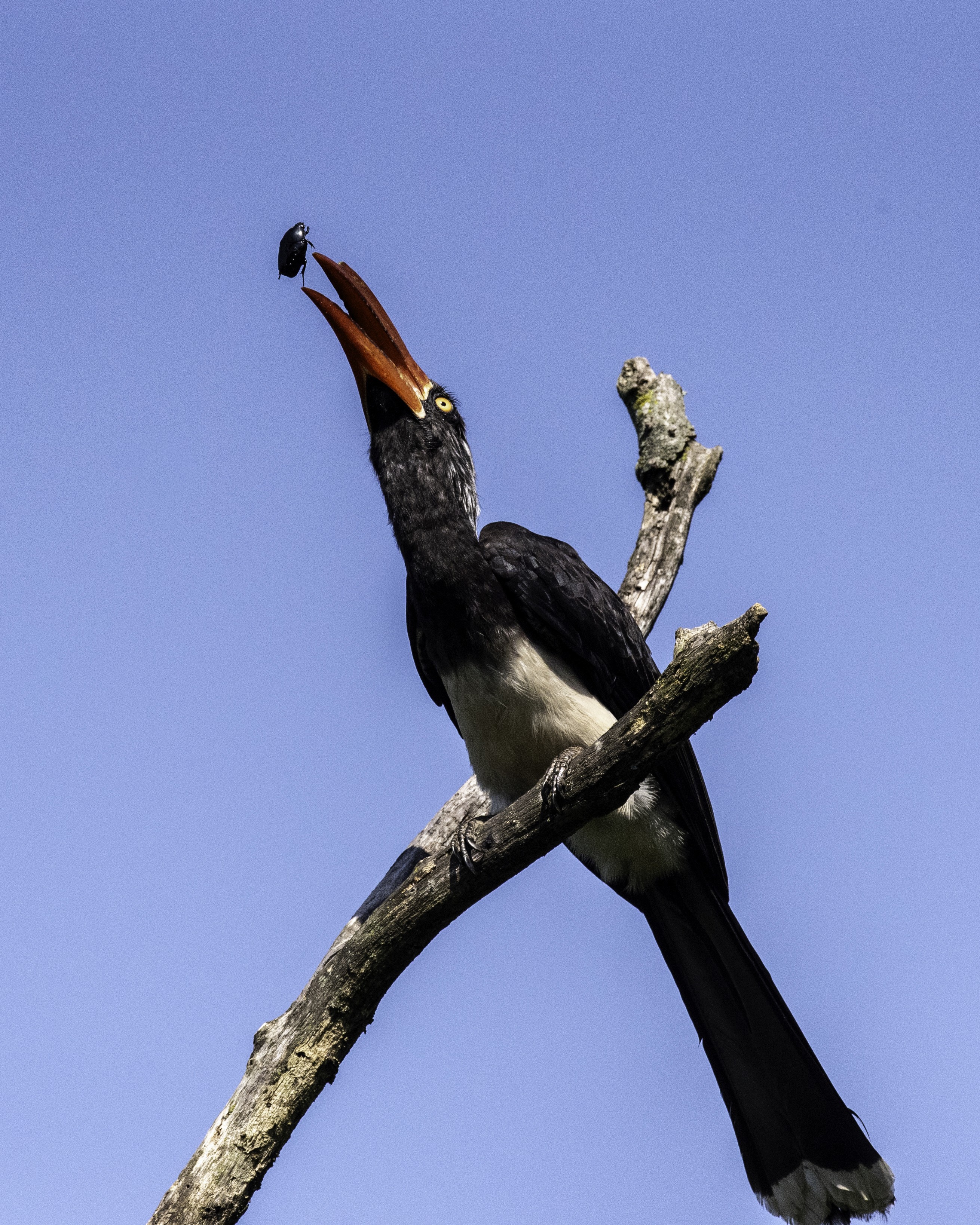
Beyond its primates, Kibale is a global biodiversity hotspot. More than 375 bird species, over 70 mammal species and countless reptiles, amphibians, butterflies and plants thrive within its towering forests.
These ancient forests regulate regional water supplies, store vast amounts of carbon and sustain the ecological processes that support the wider QECA.
Beyond its primates, Kibale is a global biodiversity hotspot. More than 375 bird species, over 70 mammal species and countless reptiles, amphibians, butterflies and plants thrive within its towering forests.
These ancient forests regulate regional water supplies, store vast amounts of carbon and sustain the ecological processes that support the wider QECA.
Wildlife does not recognise protected area boundaries. KFNP and QECA remain ecologically connected through forest corridors, river systems and surrounding landscapes, allowing species to disperse and maintaining one of Africa's richest protected area networks. Conserving these landscapes together is essential for the long-term resilience of western Uganda's ecosystems.
Working alongside the Uganda Wildlife Authority (UWA) and research partners, the Uganda Conservation Foundation (UCF) supports habitat restoration, community development and primate conservation programmes across the wider landscape.
Through collaboration with Professor Colin Chapman and other conservation scientists, UCF contributes to long-term ecological research, evidence-based conservation and the strengthening of collaborative management between KFNP and the QECA, recognising that the future of these remarkable ecosystems depends on managing them as one connected landscape.
Wildlife does not recognise protected area boundaries. KFNP and QECA remain ecologically connected through forest corridors, river systems and surrounding landscapes, allowing species to disperse and maintaining one of Africa's richest protected area networks. Conserving these landscapes together is essential for the long-term resilience of western Uganda's ecosystems.
Working alongside the Uganda Wildlife Authority (UWA) and research partners, the Uganda Conservation Foundation (UCF) supports habitat restoration, community development and primate conservation programmes across the wider landscape.
Through collaboration with Professor Colin Chapman and other conservation scientists, UCF contributes to long-term ecological research, evidence-based conservation and the strengthening of collaborative management between KFNP and the QECA, recognising that the future of these remarkable ecosystems depends on managing them as one connected landscape.



Highlights of the landscapes
One Connected Landscape
KFNP and the QECA together form one of East Africa's richest conservation landscapes. Ancient rainforest, crater lakes, wetlands, savannahs and river systems function as one interconnected ecosystem, supporting exceptional biodiversity and demonstrating the importance of landscape-scale conservation.
KFNP and the QECA together form one of East Africa's richest conservation landscapes. Ancient rainforest, crater lakes, wetlands, savannahs and river systems function as one interconnected ecosystem, supporting exceptional biodiversity and demonstrating the importance of landscape-scale conservation.
The Primate Capital of the World
Home to 13 species of primates, including one of Africa's largest populations of eastern chimpanzees, Kibale is internationally recognised as one of the world's premier destinations for chimpanzee trekking, primate conservation and wildlife research.
Home to 13 species of primates, including one of Africa's largest populations of eastern chimpanzees, Kibale is internationally recognised as one of the world's premier destinations for chimpanzee trekking, primate conservation and wildlife research.
A Forest Alive with Biodiversity
The largest remaining block of moist evergreen forest in East Africa, Kibale supports more than 375 bird species, over 70 mammal species, an extraordinary diversity of butterflies, reptiles, amphibians and plants, creating one of Africa's richest tropical forest ecosystems.
The largest remaining block of moist evergreen forest in East Africa, Kibale supports more than 375 bird species, over 70 mammal species, an extraordinary diversity of butterflies, reptiles, amphibians and plants, creating one of Africa's richest tropical forest ecosystems.
A World-Class Forest Experience
Kibale offers some of Uganda's finest nature-based tourism. Guided chimpanzee trekking, forest walks, birdwatching, butterfly encounters and the renowned Chimpanzee Habituation Experience immerse visitors in one of Africa's most beautiful and biodiverse rainforests.
Kibale offers some of Uganda's finest nature-based tourism. Guided chimpanzee trekking, forest walks, birdwatching, butterfly encounters and the renowned Chimpanzee Habituation Experience immerse visitors in one of Africa's most beautiful and biodiverse rainforests.
Science, Restoration & Communities
For more than five decades, Kibale has been a global centre for tropical forest and primate research, including the internationally recognised work of Professor Colin Chapman. Habitat restoration, community development and collaborative conservation with the neighbouring Queen Elizabeth Conservation Area are helping reconnect forests, support local livelihoods and secure the future of this globally important landscape.
For more than five decades, Kibale has been a global centre for tropical forest and primate research, including the internationally recognised work of Professor Colin Chapman. Habitat restoration, community development and collaborative conservation with the neighbouring Queen Elizabeth Conservation Area are helping reconnect forests, support local livelihoods and secure the future of this globally important landscape.
FAQ
Your Questions, Answered.
Some things you may need to know before visiting Kibale National Park.